
Length: 2 days
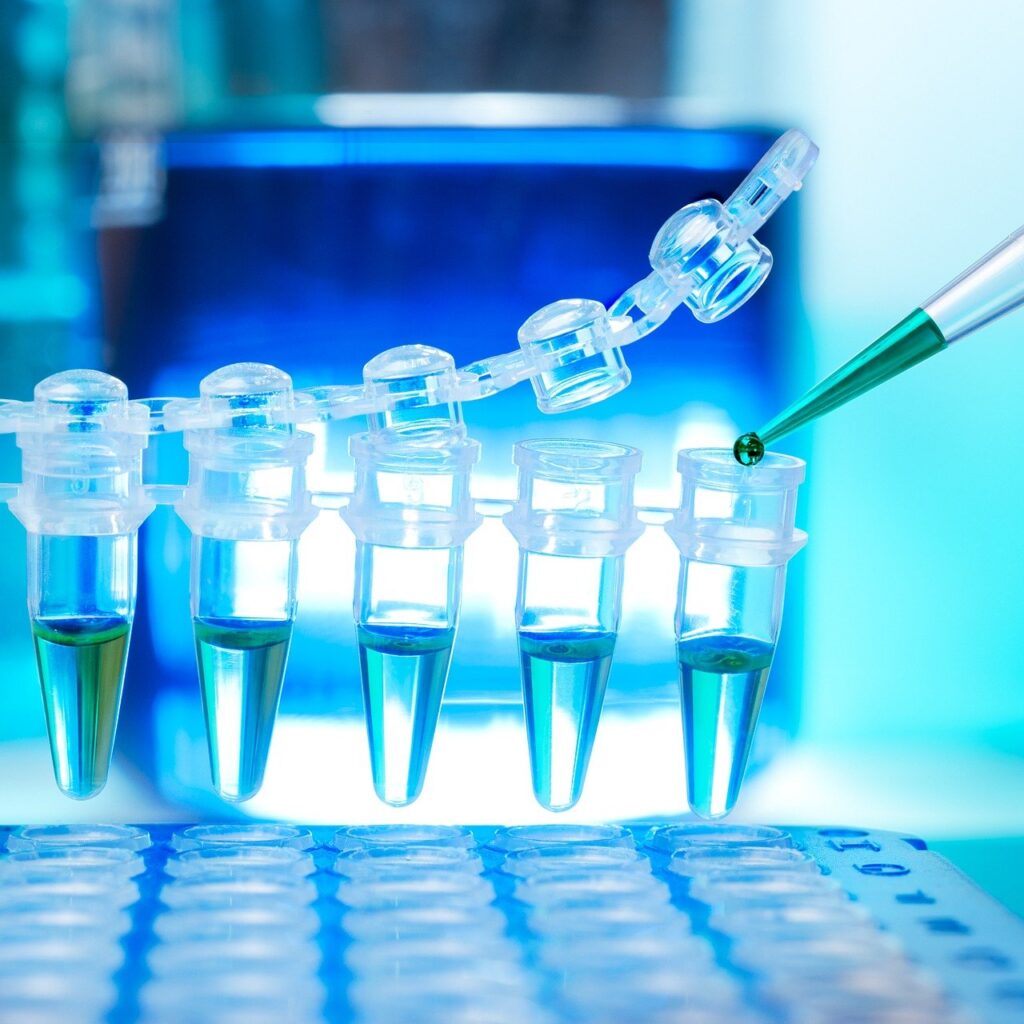
The “Advanced Microbial Detection and Monitoring for Microbiologists” training course by Tonex is designed to provide microbiologists with cutting-edge techniques and knowledge for detecting and monitoring microbial presence in various environments.
This comprehensive course delves into advanced methodologies, state-of-the-art technologies, and innovative approaches for microbial detection, emphasizing practical applications and real-world scenarios. Participants will gain expertise in the latest tools and techniques for ensuring microbial safety and compliance with industry standards.
Learning Objectives:
- Understand Advanced Microbial Detection Techniques: Gain in-depth knowledge of the latest microbial detection methods, including molecular and biochemical techniques.
- Implement Monitoring Strategies: Learn to design and implement effective microbial monitoring strategies for diverse environments.
- Utilize State-of-the-Art Technologies: Explore cutting-edge technologies and their applications in microbial detection and monitoring.
- Analyze Microbial Data: Develop skills to analyze and interpret microbial data accurately for informed decision-making.
- Ensure Regulatory Compliance: Understand the regulatory requirements and standards related to microbial detection and monitoring.
- Apply Practical Solutions: Learn to apply theoretical knowledge to practical scenarios in various industries.
Target Audience:
- Microbiologists
- Environmental Scientists
- Quality Control Specialists
- Laboratory Technicians
- Pharmaceutical Scientists
- Food Safety Professionals
Program Modules:
Module 1: Introduction to Advanced Microbial Detection
- Overview of Microbial Detection Methods
- Importance of Microbial Monitoring
- Historical Perspective and Evolution
- Key Challenges in Microbial Detection
- Current Trends and Innovations
- Case Studies and Real-World Applications
Module 2: Molecular Detection Techniques
- Polymerase Chain Reaction (PCR)
- Quantitative PCR (qPCR)
- Next-Generation Sequencing (NGS)
- Microarray Analysis
- Fluorescence In Situ Hybridization (FISH)
- Genomic and Metagenomic Approaches
Module 3: Biochemical and Immunological Methods
- Enzyme-Linked Immunosorbent Assay (ELISA)
- Immunofluorescence Techniques
- Biosensors for Microbial Detection
- ATP Bioluminescence Assays
- Biochemical Profiling
- Antibody-Based Detection Systems
Module 4: Environmental Monitoring Strategies
- Sampling Techniques and Protocols
- Air, Water, and Surface Monitoring
- Bioaerosol Monitoring
- Bioremediation and Environmental Cleanup
- Risk Assessment and Management
- Data Collection and Reporting
Module 5: Data Analysis and Interpretation
- Statistical Methods for Microbial Data
- Bioinformatics Tools and Software
- Data Visualization Techniques
- Interpretation of Sequencing Data
- Quantitative and Qualitative Analysis
- Predictive Modeling
Module 6: Regulatory Compliance and Standards
- Overview of Regulatory Bodies and Standards
- FDA and EPA Guidelines
- Good Laboratory Practices (GLP)
- Quality Assurance and Control Measures
- Documentation and Reporting Requirements
- Case Studies on Compliance and Audits
Module 7: Practical Applications and Case Studies
- Food and Beverage Industry Applications
- Pharmaceutical and Biotech Industry
- Healthcare and Clinical Diagnostics
- Environmental and Public Health
- Industrial and Manufacturing Sectors
- Hands-on Workshops and Simulations
By the end of this course, participants will be equipped with the advanced knowledge and skills necessary to excel in microbial detection and monitoring, ensuring high standards of microbial safety and compliance in their respective fields.